This post may contain affiliate links. As an Amazon Associate, we earn from qualifying purchases. See our Affiliate Disclosure.
Not medical advice. This article is general information, not a substitute for advice from your doctor or pharmacist. Check with them before starting supplements, especially if you are pregnant, nursing, or take prescription medication (for example blood thinners, thyroid medication, or antibiotics).
If you take more than one supplement, you’ve probably wondered whether some of them work against each other. A few of them do. Certain minerals compete for absorption in the gut, one vitamin can blunt the job of another, and some supplements interfere with common medications. Skincare has the same problem on the outside: a few popular active ingredients irritate or undo each other when layered.
This page puts both in one place: a supplement interaction chart and a skincare ingredient chart, based on the NIH Office of Dietary Supplements fact sheets and published dermatology research. The short version: most vitamin conflicts only matter at supplement-level doses and are solved by spacing them a few hours apart, not by stopping them.
Quick answer: the pairs to space apart
- Calcium and iron — calcium can reduce iron absorption.
- Iron and zinc — 25 mg or more of iron taken with zinc reduces zinc absorption.
- High-dose zinc and copper — 50 mg or more of zinc a day can lower copper levels.
- Large doses of vitamin E with blood thinners — can raise bleeding risk.
- Calcium or iron and thyroid medication (levothyroxine) — keep them at least 4 hours apart.
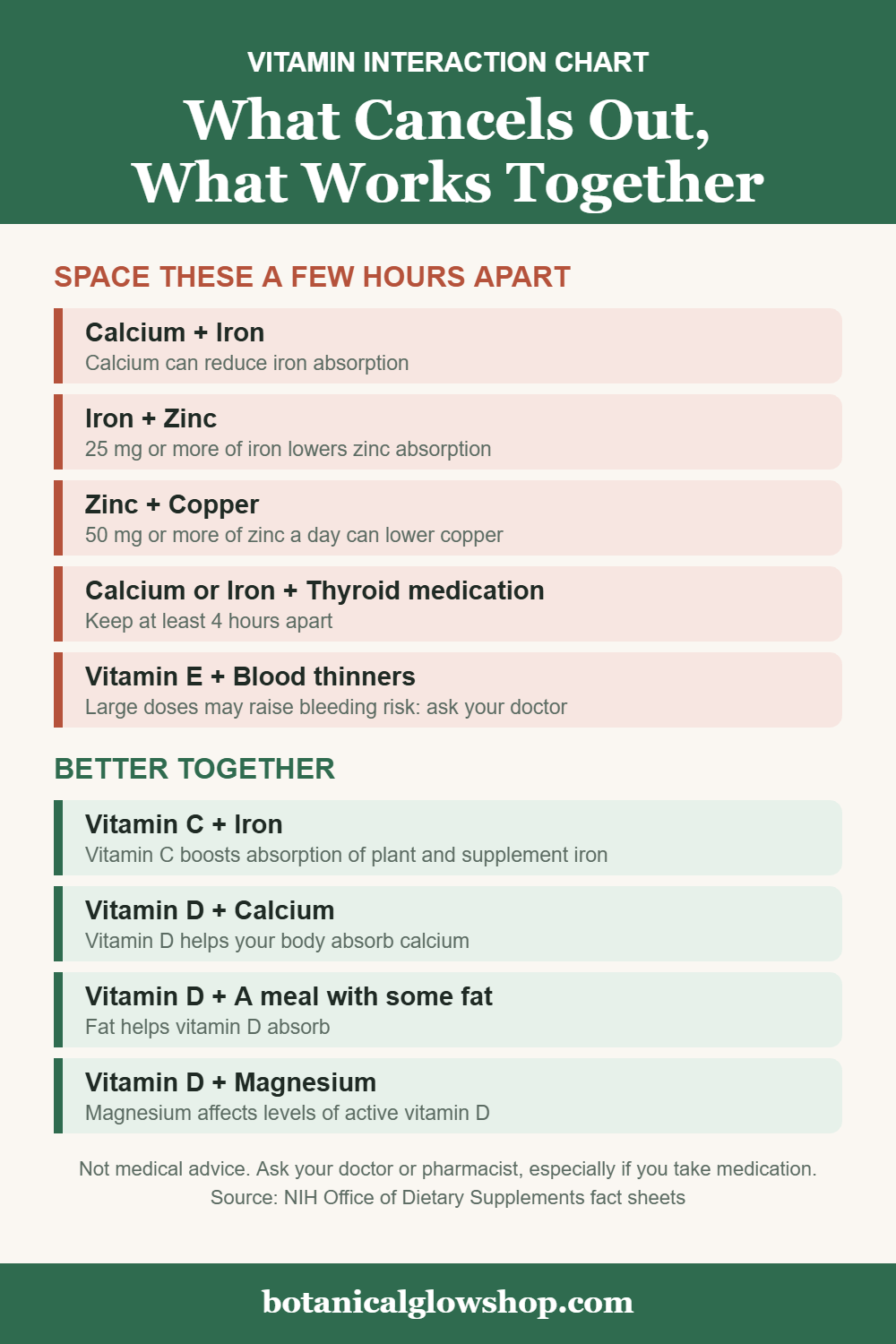
Chart 1: Supplements that compete or interfere
| Pair | What happens | What to do |
|---|---|---|
| Calcium + Iron | The NIH notes that calcium might reduce the absorption of both nonheme (plant) and heme (meat) iron. | Take them at different times of day, a few hours apart. |
| Iron + Zinc | Taking 25 mg of elemental iron or more at the same time as a zinc supplement can reduce zinc absorption. | Separate them, especially if you take iron for low iron levels. |
| Zinc + Copper | Zinc at 50 mg a day or more can interfere with copper absorption and lead to low copper status over time. | Stay at or under the 40 mg daily upper limit for zinc unless a doctor advises otherwise. Some high-zinc formulas add copper for this reason. |
| Zinc + Magnesium | Only a concern at very high zinc doses (the NIH cites 142 mg a day), which can interfere with magnesium absorption. | At normal doses, taking them together is fine. |
| Vitamin E + Vitamin K (and blood thinners) | Vitamin E can counteract vitamin K-dependent clotting factors. Large doses taken with anticoagulants such as warfarin can increase bleeding risk; the NIH says the effect probably requires more than 400 IU a day. | If you take a blood thinner, talk to your doctor before taking vitamin E supplements. |
Chart 2: Supplements that work well together
| Pair | Why it works |
|---|---|
| Vitamin C + Iron | Vitamin C enhances absorption of nonheme iron, the kind found in plant foods and most supplements. |
| Vitamin D + Calcium | Vitamin D promotes calcium absorption in the gut, which is why they are often sold together. |
| Vitamin D + a meal with some fat | Fat in the gut enhances vitamin D absorption, although some is absorbed without it. |
| Vitamin D + Magnesium | Magnesium affects the levels of the active form of vitamin D in the body. Most people get enough magnesium from food; low magnesium is when this matters most. |
| Vitamin D + Vitamin K2 | A popular pairing for bone health. The reasoning is sound, but the evidence for taking them together is still developing. |
| B vitamins together | The B vitamins work together in energy metabolism, which is why a B-complex is a common way to take them. |
Chart 3: Supplements and common medications
This is where spacing matters most, because a missed interaction can make a prescription less effective.
| Supplement | Medication | What to do |
|---|---|---|
| Calcium or iron | Levothyroxine (thyroid medication) | Keep at least 4 hours apart, per the medication label. |
| Zinc or magnesium | Quinolone or tetracycline antibiotics | Take the antibiotic at least 2 hours before or 4 to 6 hours after the supplement. |
| Calcium | Quinolone antibiotics | Separate by at least 2 hours. |
| Magnesium or calcium | Bisphosphonates (osteoporosis medication) | Separate by at least 2 hours. |
| Vitamin E (large doses) | Warfarin and other blood thinners | Ask your doctor first; may increase bleeding risk. |
| Biotin (high doses) | Lab tests | High-dose biotin can cause false lab results, including heart and thyroid tests. Tell your doctor you take it before blood work. |
Chart 4: Skincare ingredients that don’t mix
The same idea applies to what you put on your skin. These are the combinations dermatologists most often warn about. We cover each one in detail in Skincare Ingredients You Should Never Mix.
| Combination | The problem | Better approach |
|---|---|---|
| Retinol + AHA/BHA exfoliating acids | Too drying and irritating when layered together. | Use them on different nights, or apply at different times. |
| Tretinoin + benzoyl peroxide | Benzoyl peroxide can break down some older tretinoin formulations. Adapalene (Differin) stays stable with benzoyl peroxide. | Use benzoyl peroxide in the morning and tretinoin at night, or ask about adapalene. |
| Vitamin C serum + retinol | They work best at different pH levels, and together they can irritate. | Vitamin C in the morning, retinol at night. |
| Vitamin C + niacinamide | Mostly a myth. The concern came from older research using high heat. | Fine for most people. If you notice flushing, apply them at different times. |
Do vitamins cancel each other out in a multivitamin?
Not in a way most people need to worry about. Most of the interactions above were measured at supplement-level doses of a single nutrient, such as 25 mg or more of iron or 50 mg or more of zinc. A standard multivitamin contains smaller amounts. The spacing advice matters most when you take separate, higher-dose supplements, such as an iron pill, a calcium supplement, or a zinc lozenge regimen.
A simple way to schedule your supplements
This is an example, not a prescription. Adjust it with your doctor or pharmacist.
- With breakfast: multivitamin, vitamin D (a meal with some fat helps), vitamin C.
- Mid-morning or between meals: iron, ideally with a source of vitamin C and away from calcium and zinc.
- With dinner: calcium (doses of 500 mg or less absorb best, so split larger amounts), magnesium.
- Separately: zinc, a few hours away from iron.
For a deeper look at timing, see The Best Time to Take Vitamins. For which vitamins actually matter for your skin, see Best Vitamins for Skin.
Frequently asked questions
Can I take vitamin C and zinc together?
Yes. There is no known conflict between them, and they are often combined in immune-support products.
Can I take magnesium and zinc together?
At normal doses, yes. The NIH only flags a problem at very high zinc intakes of around 142 mg a day, more than three times the upper limit.
Can I take calcium and vitamin D together?
Yes. Vitamin D helps your body absorb calcium, which is why they are often sold in the same pill.
Can I take iron and calcium together?
It is better not to. Calcium can reduce iron absorption, so take them a few hours apart.
What vitamins should not be taken with coffee or tea?
Iron is the main one. Polyphenols in coffee and tea can reduce nonheme iron absorption, so take iron supplements away from them.
Sources
- NIH Office of Dietary Supplements: Iron
- NIH Office of Dietary Supplements: Zinc
- NIH Office of Dietary Supplements: Magnesium
- NIH Office of Dietary Supplements: Calcium
- NIH Office of Dietary Supplements: Vitamin D
- NIH Office of Dietary Supplements: Vitamin E
- NIH Office of Dietary Supplements: Biotin
- Drugs.com: Which vitamins work well together and which don’t
- Martin et al., British Journal of Dermatology (1998): stability of adapalene and tretinoin with benzoyl peroxide